


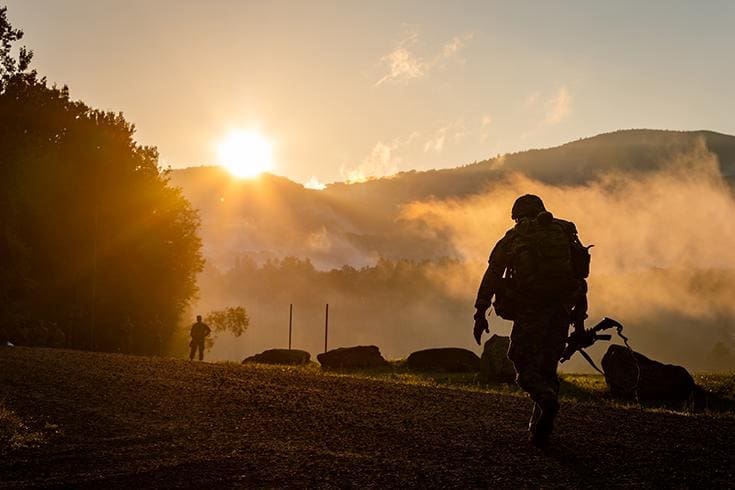
A Soldier steps off the vehicle at first light. The rifle hangs across his chest as he checks equipment, adjusts his ruck, and moves into formation. Hours later, the rifle is still there. Through movement, briefings, security halts, vehicle operations, and countless tasks that have nothing to do with pulling a trigger, the weapon remains attached to him.
Most of the time, a rifle is not being fired. It’s being carried.
Photo by Army National Guard SGT Lianne M. Hirano
Whether during military operations, law enforcement duties, training classes, or long days on the range, the same reality applies. The sling often has more impact on day-to-day rifle handling than almost any other piece of equipment on the weapon.
That often gets overlooked when people discuss rifle setups. Most conversations focus on optics, lasers, suppressors, and other components mounted directly to the rifle itself. The sling is usually treated like an afterthought. Something added once the important decisions have already been made.
But for most of the day, the sling is what controls the rifle.
Every step over rough terrain. Every climb into a vehicle. Every radio transmission. Every casualty evacuation. Every ladder climb. Every moment spent opening doors, moving equipment, or helping another member of the team.
When the rifle is not actively being fired, the sling determines where the weapon sits, how it moves, how secure it remains, and how quickly it can be brought back into action.
A poorly designed sling turns the rifle into a constant distraction. It swings into knees, catches on equipment, shifts unexpectedly, and requires constant adjustment. Instead of focusing on the task at hand, the user ends up managing the weapon.
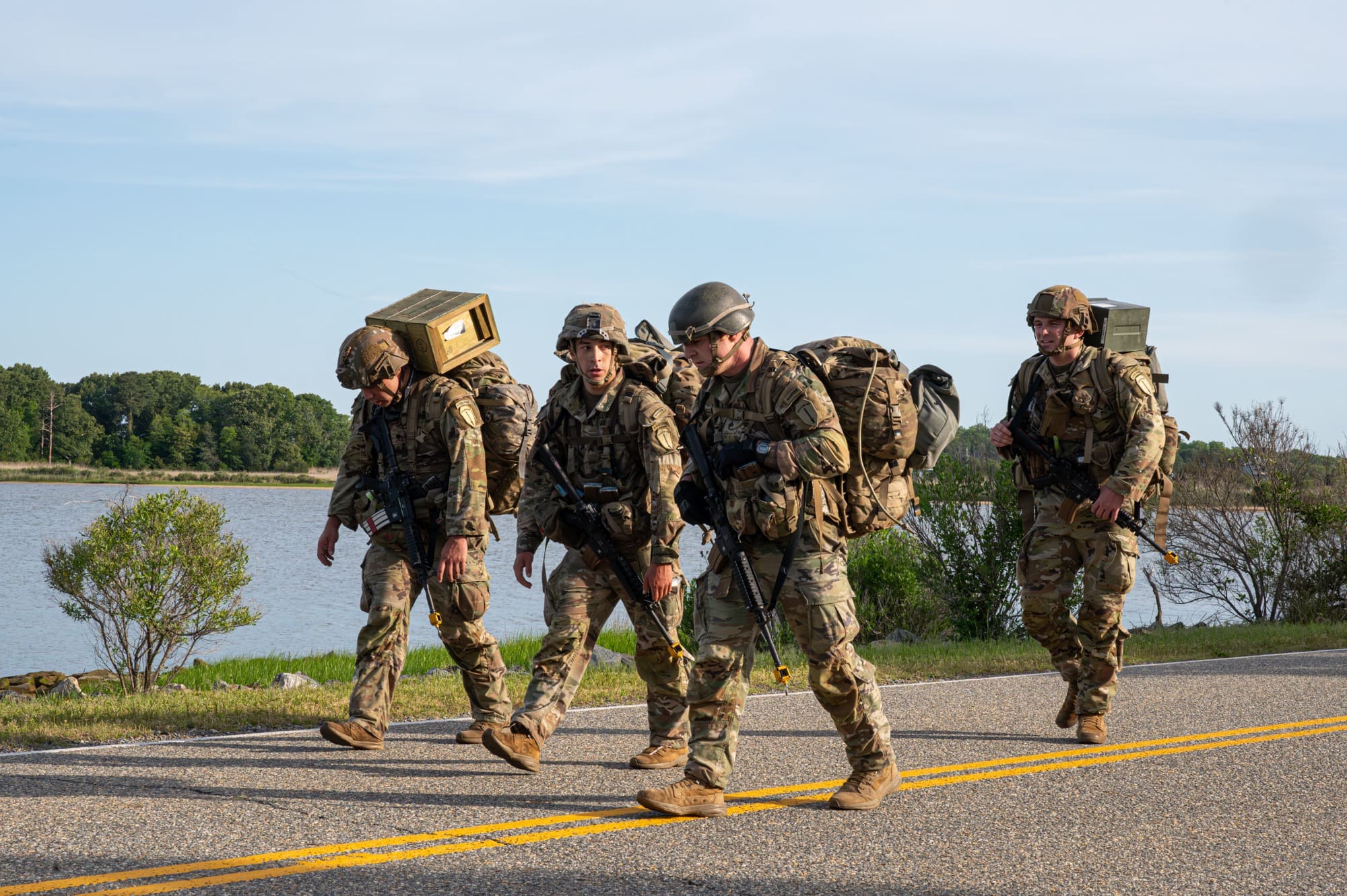

A good sling does the opposite.
It keeps the rifle secure, predictable, and accessible without demanding attention. It allows the user to transition between tasks while maintaining positive control of the weapon.
Modern adjustable two-point slings, like the Vickers Sling™, give users the ability to quickly tighten or loosen the rifle depending on the situation. That adjustment matters more than most people realize. It helps secure the weapon during movement, improves retention in confined spaces, and creates additional stability when it is time to shoot.
That becomes increasingly important as fatigue sets in over time. A rifle that constantly shifts or pulls against the body creates unnecessary physical and mental strain. A properly designed sling reduces that burden and helps the user maintain consistent control throughout the day.
Experienced users understand this because they have lived with a rifle for long hours, long distances, and demanding environments. They know the value of a sling is not measured by appearance alone. It is measured by how effectively it supports the rifle when conditions deteriorate, and attention must remain focused elsewhere.
The sling’s role extends beyond simply carrying the weapon.
Army marksmanship doctrine identifies stability as one of the fundamental elements of accurate shooting. Before accurate fire can be delivered, the rifle must first be controlled. An adjustable sling allows the shooter to create tension between the weapon and the body, reducing unnecessary movement and supporting a more stable shooting platform across a variety of positions.
Proper sling use can also reduce reliance on muscle tension and help minimize shooter-induced movement, both of which contribute to more consistent accuracy.
The best equipment often goes unnoticed because it simply works.
The rifle may be the weapon system.
But the sling is what connects that weapon to the user.
That is not an accessory.
That is a critical part of the system.

For units seeking to increase survivability and operational performance through reduced load carriage by upgrading to Helium Whisper, contact the Blue Force Gear Military Department or visit BlueForceGear.com.
Read the full article here