


FORT BRAGG, N.C. — The character of warfare is changing, and the growing use of unmanned aircraft systems on battlefields around the world is forcing militaries to adapt faster than ever.
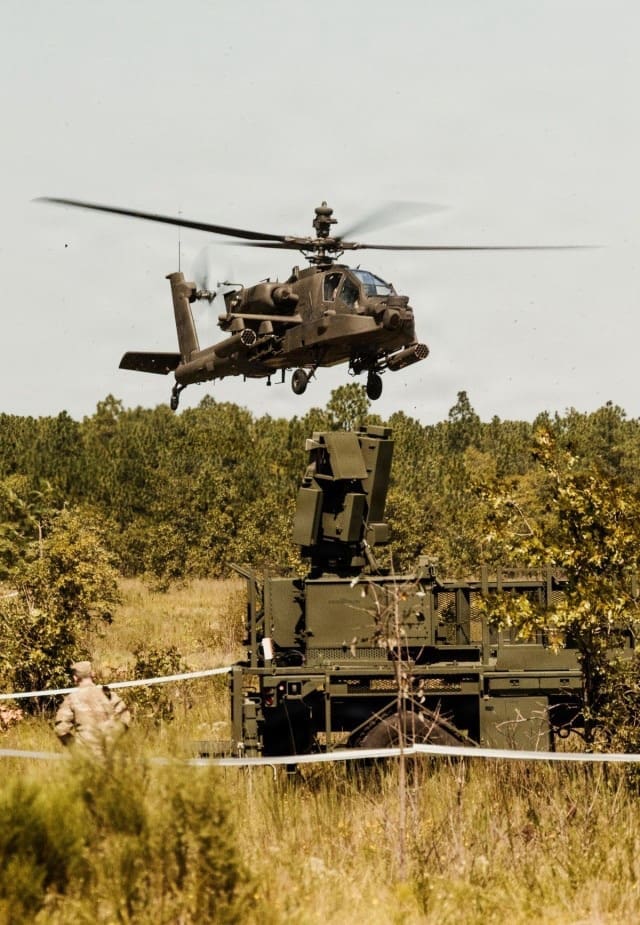

At Fort Bragg, the XVIII Airborne Corps is taking on that challenge through Scarlet Dragon, an exercise that brings Soldiers and industry partners together to test emerging technology in realistic field conditions. The exercise helped the corps evaluate which capabilities can integrate across the force, including systems designed to detect, track and defeat unmanned aircraft threats.
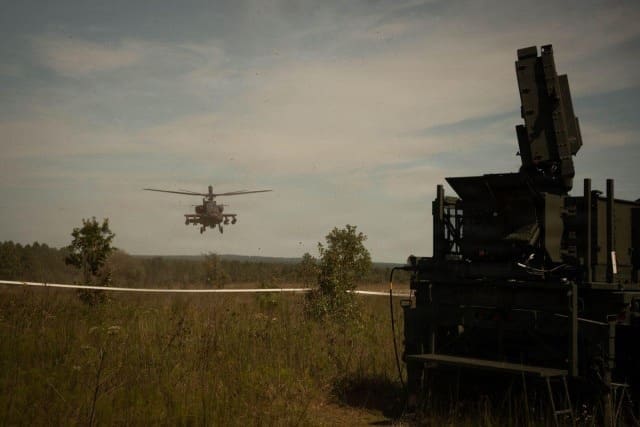

“The Scarlet Dragon exercise has become a validation exercise in the dirt with Soldiers doing integrated, real-world operational-type tasks,” said Col. Tom Monahan, director of the XVIII Airborne Corps’ Joint Innovation Outpost.
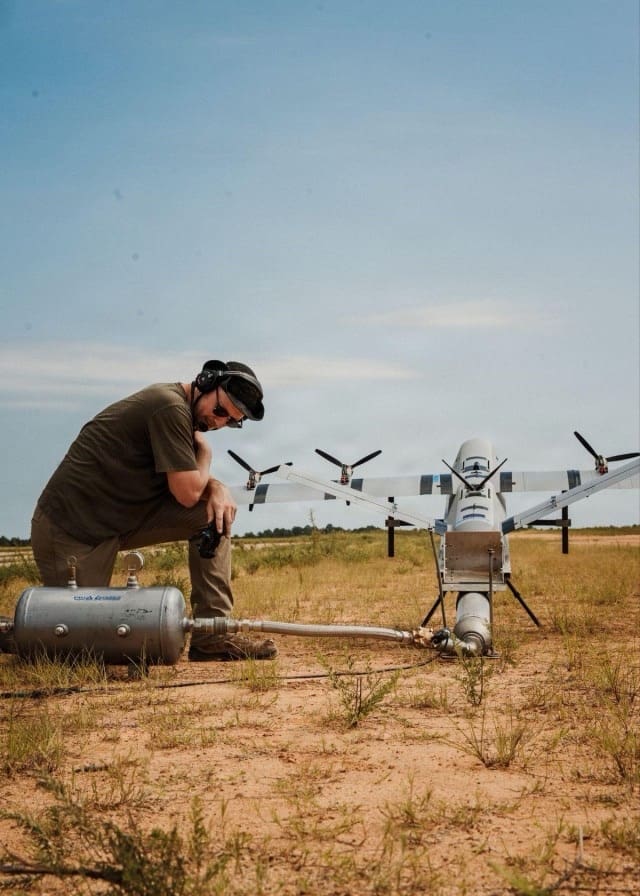

The exercise, held Sept. 11-17, 2026, at Fort Bragg, combined Soldiers, military systems, artificial intelligence, resilient data pathways and industry partners to address one of the Army’s most pressing challenges: integrating sensors, electronic warfare, command-and-control and defensive fires against evolving unmanned aircraft threats.
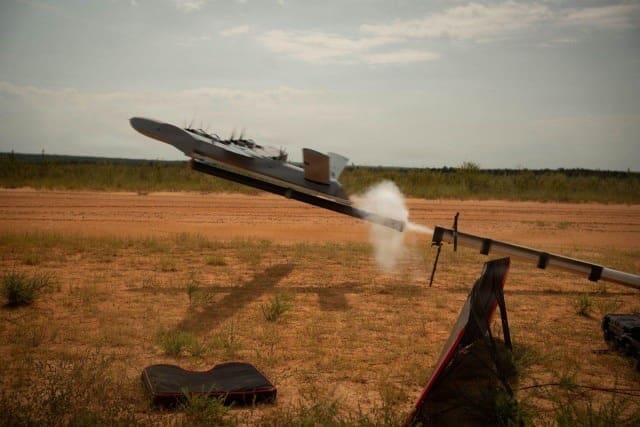
“Basically, transitioning gaps to capability requirements that we need, capabilities that will fill the gaps, and then running them through the exercise and the experimentation to come away with our findings to support the warfighter,” said Col. Paul Staeheli, the XVIII Airborne Corps operations officer.
Rather than testing technology in isolation, Scarlet Dragon places emerging capabilities in an austere field environment where Soldiers can evaluate how they perform against realistic threats and operational problems.
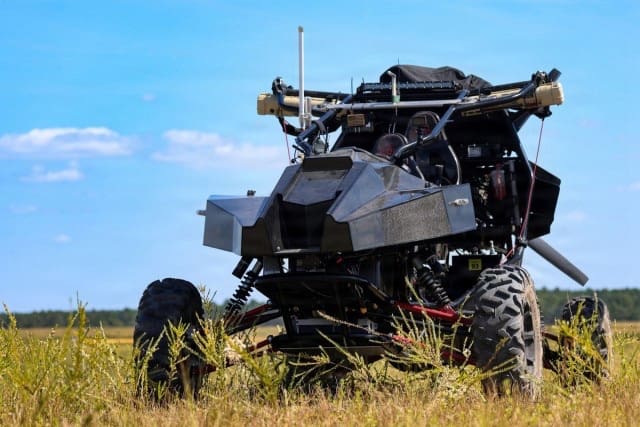
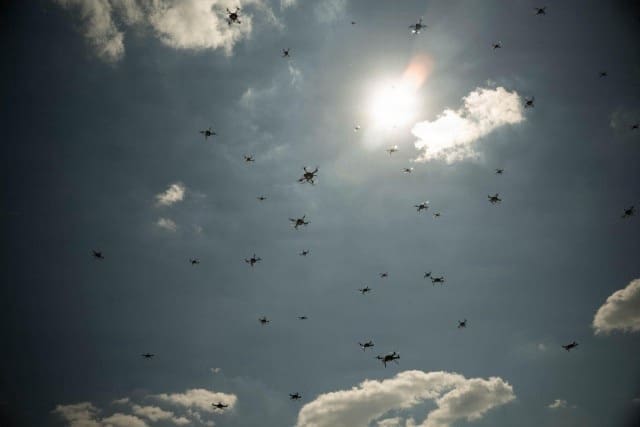
The exercise replicates tactics and capabilities Soldiers could encounter on a future battlefield, including large-scale drone swarms and systems modeled after threats seen in current conflicts. Some scenarios feature swarms of up to 100 unmanned aircraft, giving Soldiers the opportunity to train against the scale and complexity of modern drone attacks.
That threat environment allows the Corps to evaluate not only individual systems, but also how different capabilities work together.
“What we’ve found is that there’s no one sensor to rule them all,” said Col. Rob Kenny, the XVIII Airborne Corps chief of fires. “It takes an integrated, layered approach. Here at the company node, we’re working on: can we sense, can we make sense, and can we pass that information back to give time and space for our Soldiers to act?”
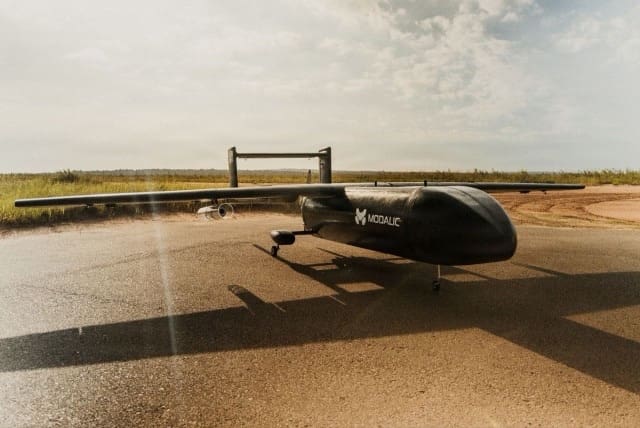
Electronic warfare, sensors, radar, autonomous systems and defensive fires each provide different tools for detecting, identifying and defeating unmanned aircraft. Integrating those capabilities is critical as adversaries continue to evolve their use of drones.
Scarlet Dragon also demonstrates how the Army can work with industry to develop and integrate new technology faster.
Leading-edge technology companies are working alongside Soldiers to identify operational problems, test potential solutions and gather feedback directly from the field. The partnership gives developers firsthand insight into how their systems perform in realistic military environments while giving Soldiers an opportunity to shape the technologies they may eventually use.
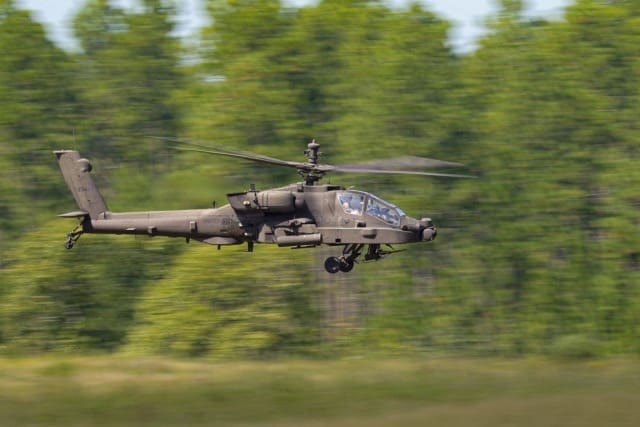
“The vendors out here are different contractors with different companies trying to show the limitations and capabilities of all their systems,” said Staff Sgt. Charles Johnson, noncommissioned officer in charge of the G34 company node. “They’re giving the full scope of what their systems can do and how it can help us in the best way possible.”
The effort extends beyond developing new equipment. The exercise examines the broader counter-UAS challenge, from passive detection technologies such as acoustic sensors and portable radar to autonomous systems and emerging capabilities designed specifically for the UAS fight.
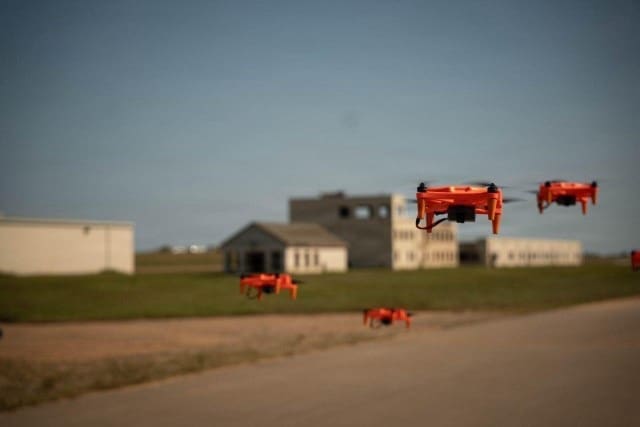
That approach reflects the Corps’ broader responsibility as America’s Contingency Corps.
The exercise also reinforces a larger message about modernization: preparing for the future battlefield requires more than buying new equipment. It requires understanding emerging threats, testing solutions under realistic conditions and rapidly adapting when those solutions fall short.
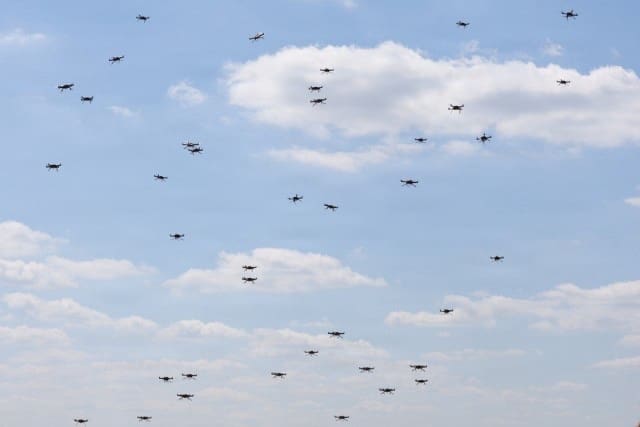
Through experimentation and collaboration with industry, the XVIII Airborne Corps is working to integrate autonomous technologies with legacy systems and address a rapidly evolving unmanned aircraft threat.
The goal is not simply to observe the future of warfare, but to prepare for it.
As unmanned systems continue to reshape battlefields around the world, exercises such as Scarlet Dragon give the corps an opportunity to learn, adapt and develop the capabilities Soldiers will need to maintain an advantage in future conflicts.
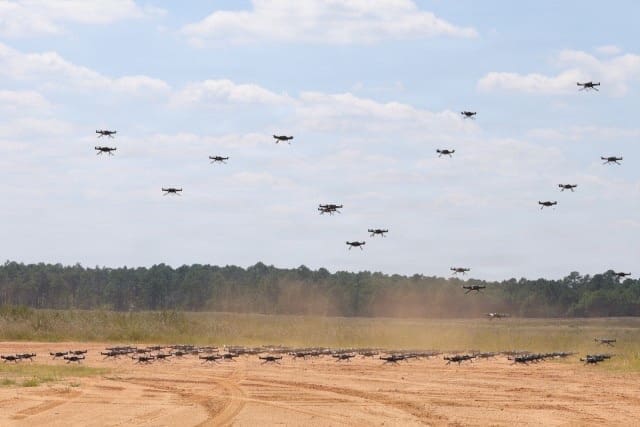
The XVIII Airborne Corps will continue to validate these systems in April 2027 during Scarlet Dragon 27-1, preparing for the larger Summit Strike exercise at Fort Drum, New York, in September 2027.
By XVIII Airborne Corps Public Affairs
Read the full article here