

Friday marks six months since the beginning of the Iran War, a conflict that has caused thousands of casualties and tens of billions of dollars in damage, roiled global energy markets, and throttled traffic through one of the world’s most important commercial waterways. Core U.S. and Israeli objectives—most notably, the dismantlement of Iran’s nuclear program—remain unmet.
Exact numbers are difficult to confirm, but reporting suggests that nearly 8,000 people have been killed since the war began, including at least 4,350 in Lebanon, 3,500 in Iran, 60 in Israel, and 28 in the Gulf states. The United States has lost 18 servicemembers, and hundreds more have been injured. Iranian attacks have also significantly damaged U.S. military bases in the region, and combat operations have depleted stocks of many of the Pentagon’s most important offensive and defensive munitions.
Since February 28, the price of Brent crude oil has risen by nearly 23 percent, and compared to the prewar baseline U.S. consumers are paying around 38 percent more for gas at the pump. Commercial transits of the Strait of Hormuz—which previously accounted for over 20 percent of global seaborne energy traffic—have plummeted: prior to the war, over 100 vessels passed through the Strait on a typical day; now, the number of crossings is often in the single digits.
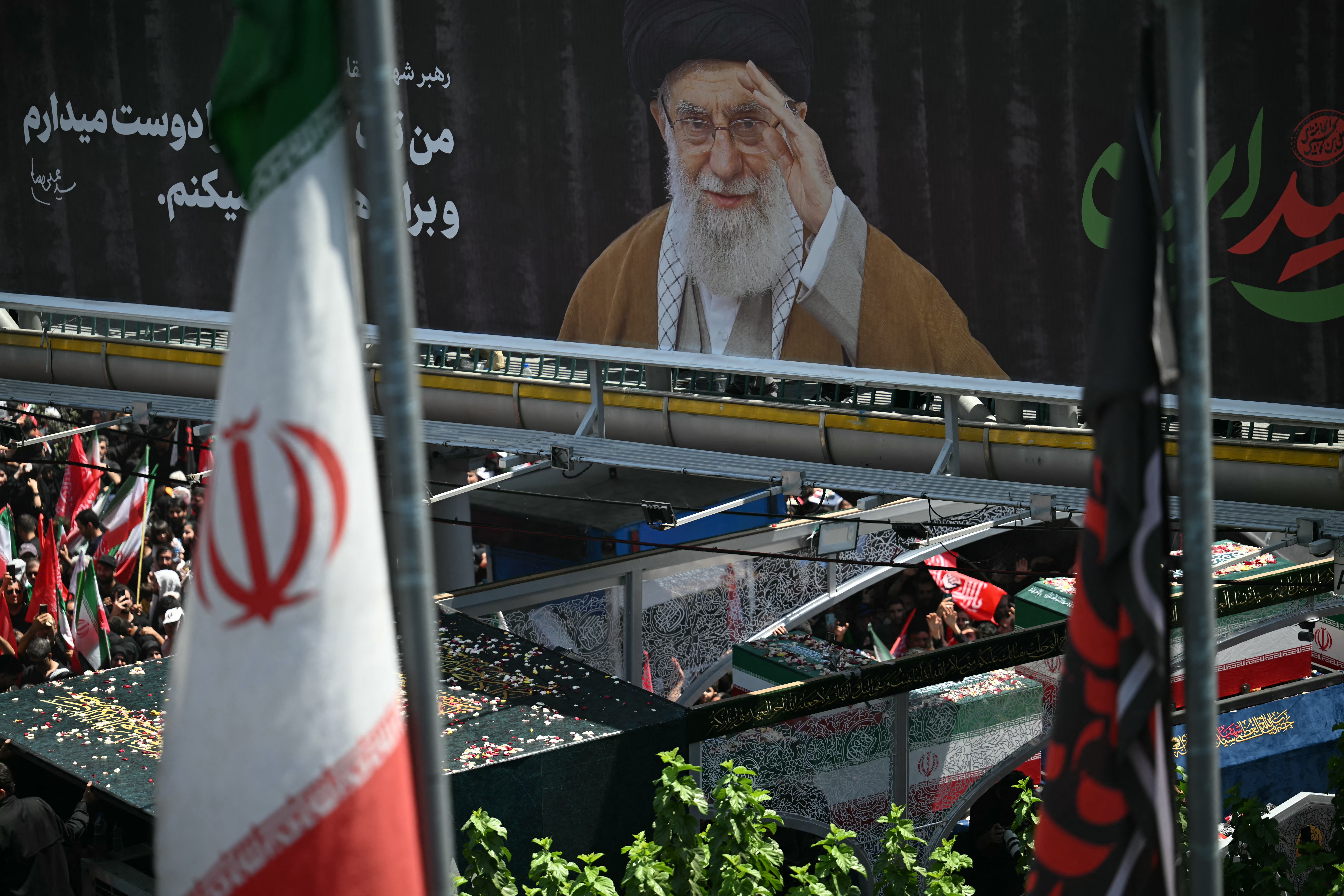
Despite the killing of many key Iranian officials—including Ayatollah Ali Khamenei, who had been the country’s Supreme Leader since 1989—Iran’s regime remains broadly intact. Many analysts assess that, rather than moderating the leadership in Tehran, the war has actually increased the influence of hardliners over the government and military. And although U.S. and Israeli strikes have considerably degraded Iran’s conventional military capabilities, Iran still retains the ability to attack the regional military and civilian infrastructure of the U.S. and its allies, as well as hold at risk vessels transiting the Strait of Hormuz.
Subscribe Today
Get daily emails in your inbox
The White House has demonstrated little recent interest in a diplomatic resolution, but regional actors have continued to try to play a mediating role. On Thursday, Qatari prime minister Sheikh Mohammed bin Abdulrahman Al Thani traveled to Tehran for talks with top Iranian officials. According to Qatar’s foreign ministry, the purpose of the visit was to “discuss ways to de-escalate tensions and create the conditions conducive to dialogue.”
Separately, a top Iranian security official said Friday that Tehran viewed the conflicts in the Persian Gulf, Lebanon, and Gaza as an “interconnected chain.” The official, Mohsen Rezaei, outlined three conditions for any peace agreement: an end to the war in Lebanon, Israeli withdrawal from Lebanon, and an end to the war in Gaza.
Brent crude was trading at $87.73 per barrel Friday morning. AAA reported a national average of $4.09 per gallon of regular gasoline.
Read the full article here