


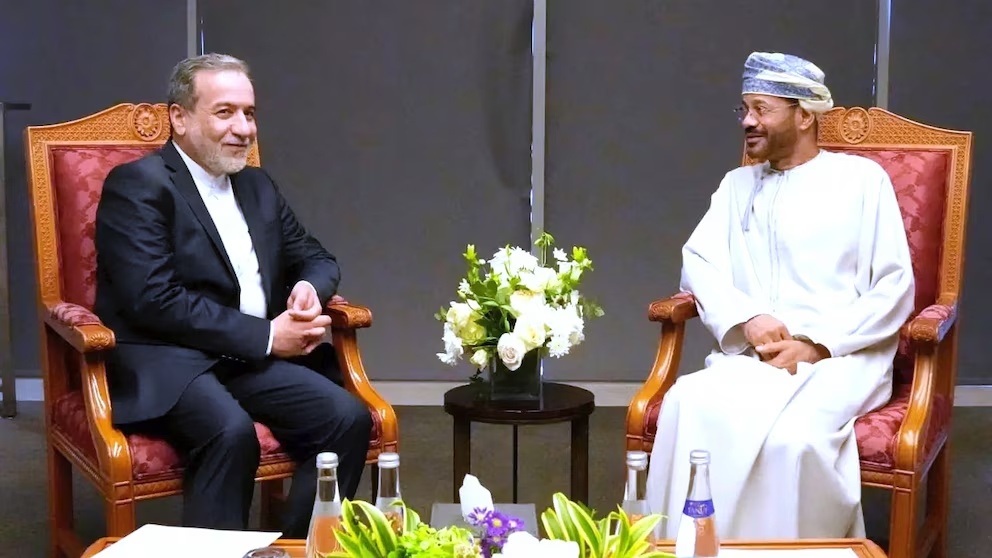

Iran and Oman appeared close Wednesday to striking a deal that would open the Strait of Hormuz, a critical chokepoint for the global energy trade.
The two Gulf nations announced Tuesday they had discussed creating “a joint temporary navigational corridor through the Strait of Hormuz and an agreement to implement a joint project to clear the Strait of mines.” Global oil prices declined overnight, with Brent Crude falling below $90 a barrel.
Iran effectively closed the Strait of Hormuz after the U.S. and Israel launched the current war in late February. A framework peace deal signed in June by the U.S. and Iran envisioned an Iranian-Omani partnership to administer the waterway. That framework deal fell apart after the U.S. worked to create a transit corridor near the Omani coastline, outside of Iranian control.
Subscribe Today
Get daily emails in your inbox
Tehran says it won’t open the sea passage until Washington lifts its own naval blockade targeting Iranian ports. Only five commodity vessels transited the strait on Tuesday, according to shipping data from Kpler. That was below the 10-day average of 15.
The White House is using economic pressure against Iran in a bid to get the Strait of Hormuz reopened and the war ended on terms favorable to the U.S. On Monday, Treasury Secretary Scott Bessent announced “Operation Economic Outcast,” an effort to isolate Iran by punishing its trading partners.
China, which buys roughly 80 percent of Iran’s oil exports, has objected to the economic campaign. “Cooperation between China and Iran has always been conducted within the framework of international law and should not be interfered with or disrupted,” said a spokesman for China’s Foreign Ministry on Tuesday.
Read the full article here
