



A senior Iranian official told Reuters Wednesday that there are currently no discussions between Iran and the U.S. to extend the ceasefire to the Iran War. The report comes after Turkey’s Anadolu news agency, citing anonymous Pakistani government sources, claimed Wednesday that an extension to the 60-day ceasefire under the June memorandum of understanding had been agreed to between the U.S. and Iran.
Pakistani officials also claimed Tuesday that the U.S. and Iran are approaching “some sort of arrangement” over the Strait of Hormuz. There has been no independent confirmation that the U.S. is involved at all in the talks. Qatar, Iran, and Oman have all said that the talks are bilateral between Oman and Iran. Iran has rejected the assertion that the U.S. is involved in those talks.
In a Wednesday post on Truth Social, President Donald Trump claimed, “The U.S.A. has total control over the Strait of Hormuz. I THINK WE WILL KEEP IT!”
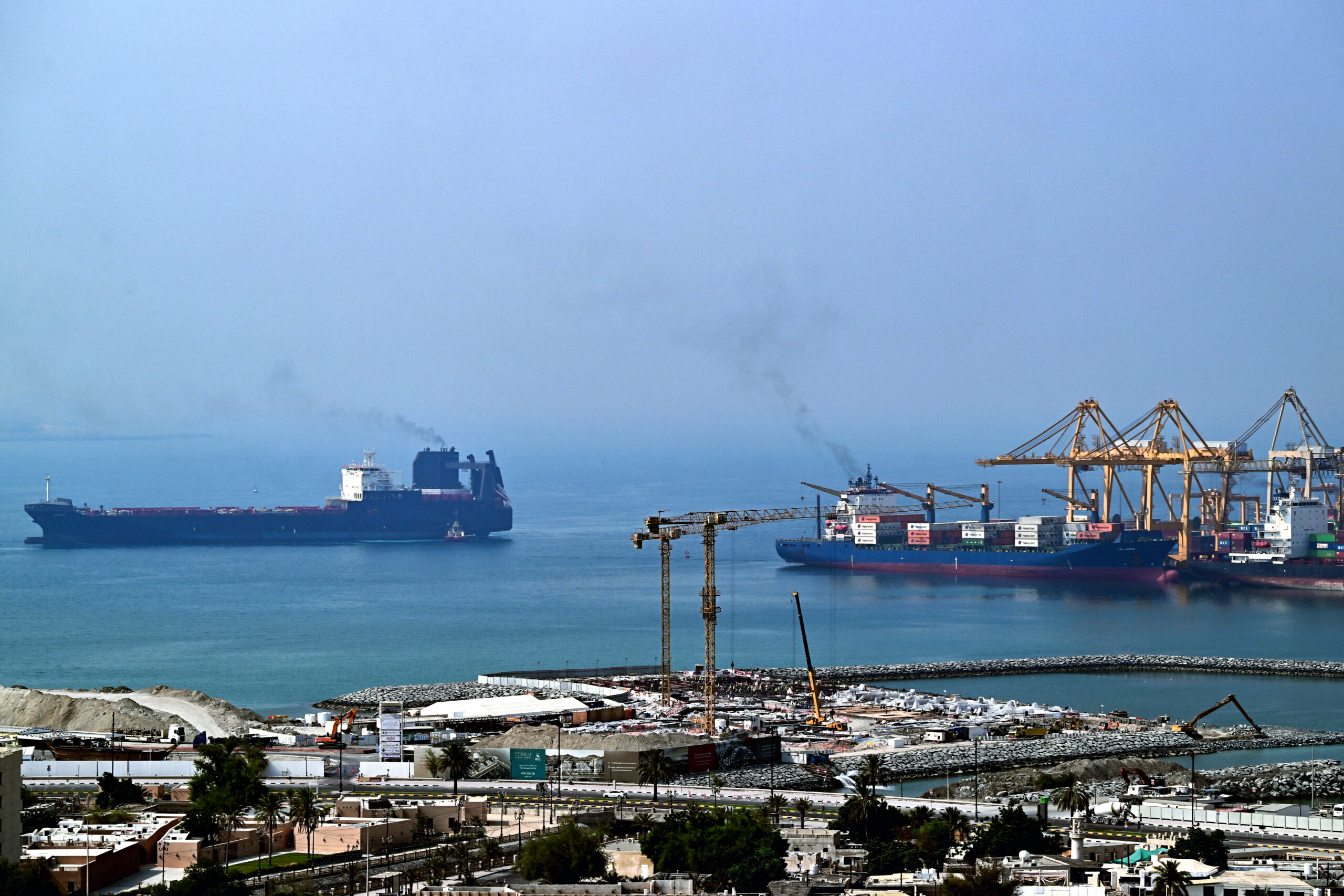
Estimates for energy flows through the Strait of Hormuz varied. Kpler reported that traffic increased slightly through both the Strait of Hormuz and the Bab el-Mandeb on Tuesday, with a total of 14 Hormuz crossings and 40 Bab-el-Mandeb crossings recorded. Reuters, however, reported that there were only eight vessels that transited the Strait of Hormuz on Tuesday, which would be the lowest daily count since August 5.
Subscribe Today
Get daily emails in your inbox
Yemen’s Houthis attacked an Egypt-flagged ship, the Tihamah, in the Bab el-Mandeb Strait on Tuesday, Saba reported. Yemen’s transport ministry said the strikes killed at least four crew members and two first responders.
The price of Brent Crude oil was $88.75 per barrel on Wednesday morning. AAA reported the national average price of regular gas at $4.04. So far, the cost of the Iran War to the typical American household is $1,000 in rising fuel costs and taxes to support Pentagon spending, according to the chief economist of Moody’s Analytics.
Read the full article here
