



President Donald Trump criticized Israel’s occupation and bombing of Lebanon on Tuesday, as Israel continued to bomb the south in ways that Tehran warns could sabotage a deal to end the Iran War, which entered its 109th day.
At the G7 Summit in France on Tuesday, Trump said that “Israel is fighting Hezbollah too long, and too many people are being killed.” He added that “you don’t have to knock down an apartment house every time you’re looking for somebody. There are a lot of people in those apartment houses and they’re not all Hezbollah.”
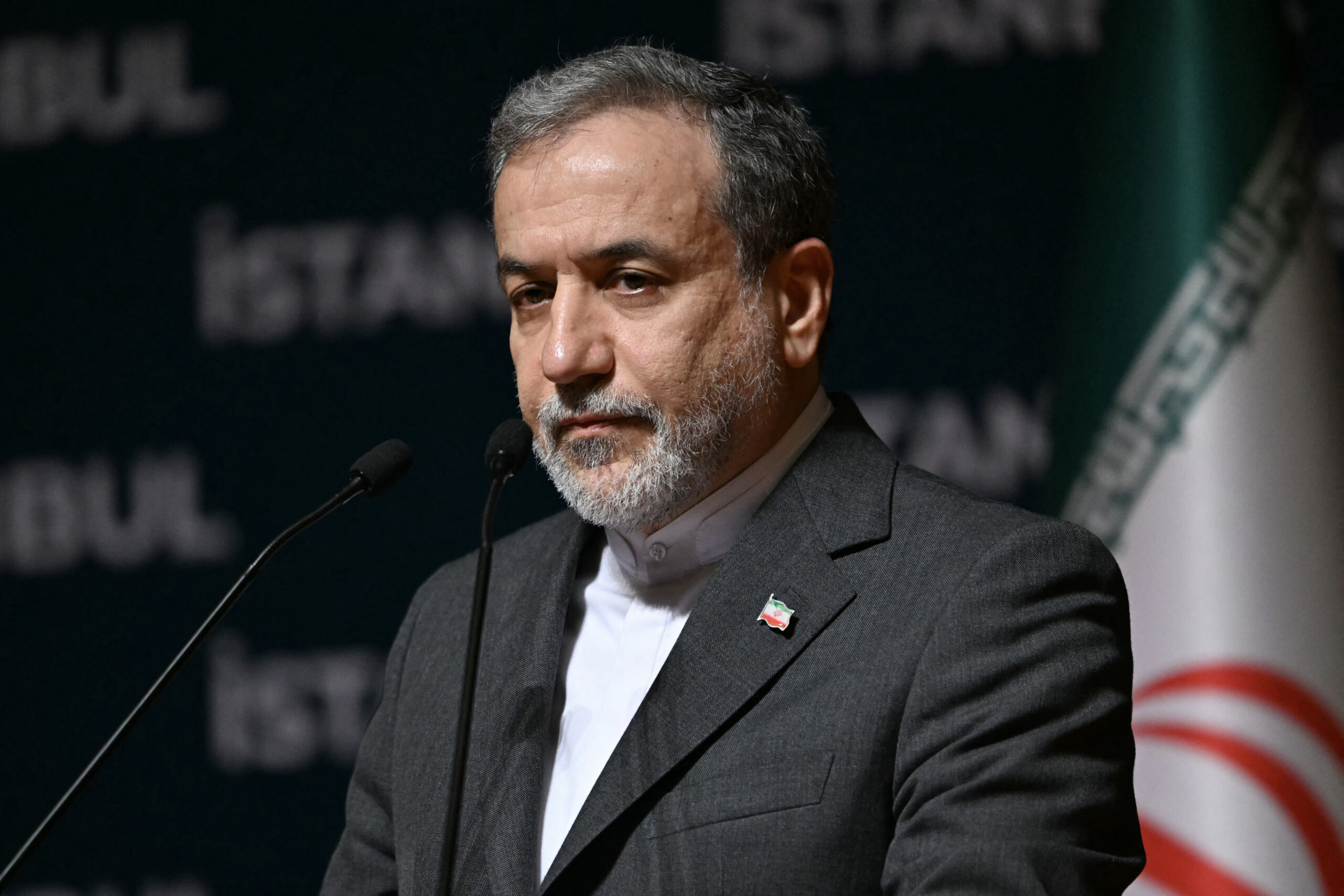
Iran’s Foreign Minister Abbas Aragchi on Tuesday reiterated Iran’s position that “any military attack by the Israeli regime against Lebanon, or the continued occupation of Lebanese territory, is a violation of the memorandum of understanding.” Analysts assess that the U.S. ability to restrain Israel in Lebanon could make or break the deal with Iran.
Israel continued to bomb Lebanon on Tuesday, with at least 3,826 people reported killed by Israeli strikes since March 2. Shortly after a deal was announced, Israel’s Defense Minister Israel Katz said that Israel’s occupation of southern Lebanon would continue, and that Israeli forces would stay “indefinitely” in Lebanon, Syria, and Gaza. National Security Minister Itamar Ben-Gvir likewise said Monday that Israel is not bound by any agreement between the U.S. and Iran.
The Financial Times, citing anonymous administration sources, reported that the Trump administration is prepared to establish a $300 billion investment fund for reconstruction in Iran if a nuclear deal is attached to the broader agreement to end the war. The Trump administration has pushed back against critics who say American taxpayers will fund Iran’s reconstruction.
Subscribe Today
Get daily emails in your inbox
Haaretz reported on Tuesday, citing a Pakistani source involved in the talks and another source familiar with the matter, that up to $24 billion in frozen Iranian assets could be released under the agreement. The sources indicated the fund would be tied to a toll-free passage through the Strait of Hormuz, while also being tied to future nuclear talks.
Araghchi had said last week that transits through the Strait of Hormuz would be free for 60 days but that the long-term management of the waterway “will be different from the past” and that services there “will no longer be free.”
The price of Brent Crude oil was $80.46 per barrel on Tuesday at the time of writing while AAA reported the national average price of regular gas at $4.04. Both prices have gone down amid hopes of a diplomatic settlement to the war.
Read the full article here
